

Truck Loans Australia :: Articles

When should I use a personal loan?

What are the best situations to use a personal loan?

When should I use a personal loan?

The information on this website is general in nature and does not take into account your objectives, financial situation, or needs. Consider seeking personal advice from a licensed adviser before acting on any information.

Unsecured personal loans can really help in a pinch. If your savings are low and your car breaks down, for example, such a loan can patch up your life. Or maybe you're buying a big-ticket item and you need backup money to cover a short-term hole in your bank account.
Unsecured personal loans are designed to be undertaken without the need to secure the loans against collateral, such as a property or a car. This makes unsecured personal loans ideal for people who do not own their own home and for people who have no other type of collateral to secure personal loans against.

Convenience

Part of their convenience is how quickly they can be approved - usually in one banking day, three tops.
Financial institutions don't care much about how you use an unsecured personal loan as long as you are a good candidate to pay it back.
The hitch is that because the borrower has no security, unsecured personal loans can be more expensive than secured loans.
These days, even the new crop of low-rate credit cards can often be cheaper than unsecured loans.
And besides interest, watch out for any annual service or maintenance fees on the loan that is either a flat fee or a percentage of the lump sum.
On the plus side, greater competition in personal loans from smaller financial institutions like the credit unions means there is a huge variation in the interest rates being charged - from 9 to 15 per cent.

Who qualifies?

Unsecured personal loans have a wider reach than secured personal loans. Both tenants and homeowners can take out unsecured loans, as well young people who have no verifiable personal credit history. Additionally, unlike secured personal loans, unsecured loans may also be open to people who have a poor credit record.
To successfully apply for a personal loan, the applicant for the loan must have a regular source of income. Proof of income from the unsecured loans applicant is likely to be requested by the personal loans companies and many lenders will also carry out background checks on other loans, secured or unsecured, that the personal loans applicant holds now or has held in the past.
Personal unsecured loans applicants who have been resident at the same personal address for more than three years, are married and have stable employment are those most likely to be successful in obtaining personal unsecured loans.
For homeowners, personal unsecured loans are ideal should the homeowner wish not to have personal loans officially secured against their property. The most successful applicants for unsecured loans in these cases are people who have equity in their property and no other unsecured loans. These factors above all else will help the homeowner applicant acquire unsecured loans, even if the homeowner has a bad personal credit history.
Loans companies offering unsecured borrowing in general do not limit what the funds from unsecured loans can be used for, so long as the person taking out the personal unsecured loans does not use the unsecured loans funds for illegal purposes.

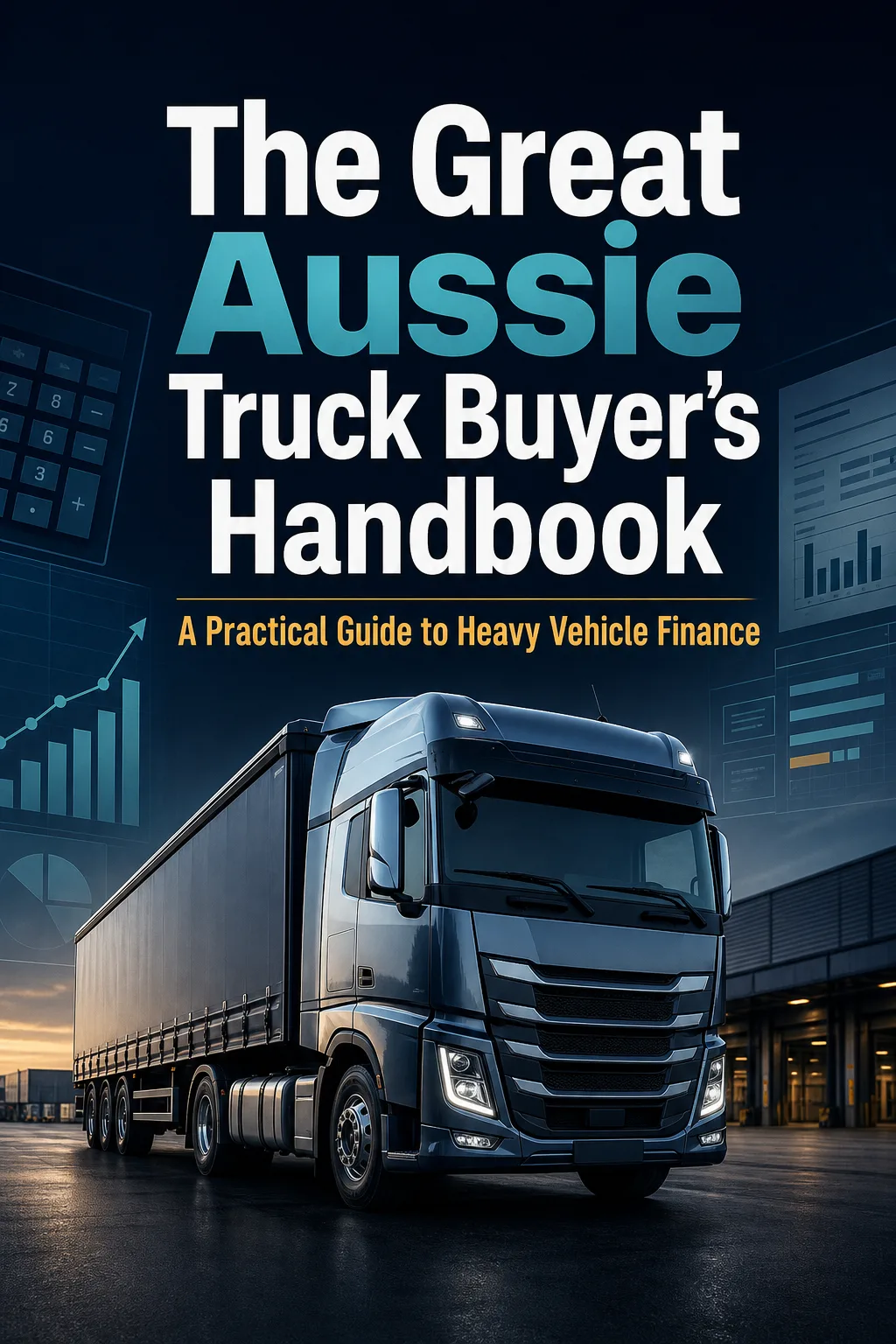
The Great Aussie Truck Buyer's Handbook: A Practical Guide to Heavy Vehicle Finance

The Great Aussie Truck Buyer's Handbook: A Practical Guide to Heavy Vehicle Finance image

Buying or financing a truck in Australia can affect more than the monthly repayment. The loan structure, fees, deposit, balloon payment, vehicle age and intended use can all shape cash flow and total borrowing cost. This practical guide is written for sole traders, tradies, logistics operators, fleet managers, small business owners and personal truck buyers comparing truck finance options. It explains commercial and personal truck loans, leases, chattel mortgages and hire purchase arrangements in clear, general terms. Inside, readers will find repayment factors, eligibility considerations, cost checklists, planning examples, case studies and questions to ask before making an informed finance enquiry.

Published: Sunday, 1st Aug 2021
Author: Paige Estritori

Rate this article

0 Comments

No comments yet. Be the first to share your thoughts.


Truck Loan Articles

Interest Rates, Terms, and Fees: What to Look for in Commercial Vehicle Loans
Choosing the right commercial vehicle loan is a pivotal decision for any business aspiring to expand its transportation capabilities. For many, commercial vehicles are integral to daily operations, and securing the best financial arrangement to acquire these assets can significantly impact the bottom line. - read more
How to Choose the Right Lender for Your Commercial Truck Loan
For many Australian businesses, purchasing a commercial vehicle is a significant investment that often requires financial assistance. Understanding the intricacies of truck financing is crucial, as the right loan can affect your company's bottom line and operational efficiency. With a plethora of lenders offering myriad loan products, choosing the most advantageous deal can be daunting. - read more
Maximizing Your Investment: Strategies for Enhancing Truck Resale Value in Australia
The commercial vehicle market in Australia is a cornerstone of the transportation and logistics industries, with trucks playing an indispensable role. Whether for long-haul deliveries across the vast distances of the continent or for urban distribution, trucks are critical assets for businesses and entrepreneurs alike. This significance makes it essential for commercial vehicle buyers to understand the dynamics of truck resale values in Australia. - read more
Refinancing a truck loan in Australia: costs, process and considerations
Truck loan refinancing may help some Australian businesses adjust repayments, manage a balloon payment, replace a truck or respond to changing cash flow. This guide explains when refinancing may be worth reviewing, what costs to check first, and how the process usually works. - read more
Understanding Credit Scores and Their Impact on Your Commercial Vehicle Loan Terms
Finding the right financing for a commercial vehicle in Australia can be a critical step for businesses and individuals alike. Whether it's for a single van or an entire fleet of trucks, understanding the intricacies of commercial vehicle loans is key to securing a deal that aligns with your financial goals. One factor that stands out in determining your loan terms is the credit score—a numerical representation of your creditworthiness. - read more

Finance News

Why Falling Prices May Not Feel Like a First-Home Breakthrough
11 Nov 2026: Paige Estritori
Fresh Domain analysis has put a useful reality check around Australia’s housing downturn: cheaper advertised prices do not automatically make a first home easier to afford. The 5 November 2026 analysis found combined capital city house prices had fallen by about $81,000, or 6.2 per cent, from their peak, yet estimated monthly mortgage repayments were only about $10 lower. - read more
Higher bank rates put first-home budgets back under pressure
11 Nov 2026: Paige Estritori
Australian first-home buyers have a fresh repayment hurdle to factor into their planning, with major banks moving to lift variable mortgage rates after the Reserve Bank of Australia raised the cash rate target to 4.85 per cent in early November. The change does not mean every buyer will face the same outcome, but it does make one point clear: a lower property price is only useful if the loan remains affordable under current and tested repayment settings. - read more
Melbourne Boat Show Crowds Put Boat Budgets Back on the Table
10 Nov 2026: Paige Estritori
The 64th Melbourne Boat Show has given Australia’s boating market another useful demand signal, with organisers reporting more than 42,000 visitors at Docklands from 15 to 18 October 2026. The result was stronger than last year’s reported 39,000 attendance and came after four days of favourable weather, free entry and a waterfront layout spanning more than a kilometre of marina and land-based displays. - read more
New FLEETLEAP Alliance Targets Diesel Costs and EV Uncertainty
10 Nov 2026: Paige Estritori
A new Australian freight alliance, FLEETLEAP, has been launched to help truck operators make more informed decisions about fuel efficiency, emissions reduction and electric truck investment. Announced at the NatRoad National Conference on the Gold Coast on 6 November 2026, the project brings together transport associations, energy specialists, insurers and technology providers at a time when operating costs and technology choices are putting extra pressure on fleet planning. - read more
Higher cash rate raises the bar for business borrowing
10 Nov 2026: Paige Estritori
The Reserve Bank of Australia’s 3 November 2026 decision to lift the cash rate target by 25 basis points to 4.85 per cent has put borrowing costs back at the centre of small business planning. For Australian SMEs, the practical issue is not only whether rates rise on an existing facility, but whether budgets, pricing, stock decisions and expansion plans still work under a higher interest-rate path. - read more

Knowledgebase
Credit Default Swap (CDS):
A financial derivative or contract that allows an investor to "swap" or offset their credit risk with that of another investor.