
Truck Loans Australia :: News
SHARE

Share this news item!

Federal Budget 2026: Impacts on Electric Vehicle Owners and Infrastructure

Understanding the Upcoming Changes to EV Tax Benefits and Charging Networks

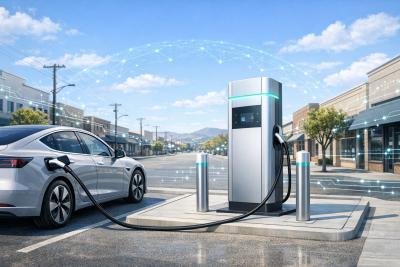
Federal Budget 2026: Impacts on Electric Vehicle Owners and Infrastructure?w=400

The information on this website is general in nature and does not take into account your objectives, financial situation, or needs. Consider seeking personal advice from a licensed adviser before acting on any information.

The Australian government's 2026 Federal Budget introduces significant changes affecting electric vehicle (EV) owners and prospective buyers.
Key measures include the gradual phase-out of the Fringe Benefits Tax (FBT) exemption for EVs and substantial investments in charging infrastructure.

Changes to EV Tax Exemptions

Since 2022, the FBT exemption has been a pivotal incentive, allowing eligible EVs to be salary packaged without attracting FBT, thereby reducing running costs for many buyers. This policy has significantly contributed to the adoption of over 100,000 EVs on Australian roads.

Under the new budget measures:

  • April 2027: EVs priced above $75,000 will lose part of the FBT exemption.
  • April 2029: The exemption will be progressively reduced, eventually covering all EVs.

The government anticipates that these changes will recover approximately $1.9 billion over five years, addressing the escalating costs of the scheme, which have exceeded initial forecasts.

For individuals considering an EV purchase, the current FBT exemption remains in place until the phase-out begins. This provides a window of opportunity to benefit from the existing tax advantages before the changes take effect.

Investment in Charging Infrastructure

In addition to tax policy adjustments, the budget allocates $40 million over four years to enhance EV charging infrastructure, focusing on regional and kerbside projects. This investment aims to:

  • Improve charging access for apartment residents.
  • Support regional communities.
  • Facilitate long-distance travel for EV owners.

Furthermore, Australia Post will receive $40.5 million to support the electrification of its delivery fleet, aligning with the broader goal of reducing transportation emissions.

Road-User Charge Delayed

Despite ongoing discussions about implementing a national road-user charge for EVs to compensate for declining fuel excise revenue, the government has opted to delay this measure. Legal and constitutional concerns have influenced this decision, allowing more time for comprehensive policy development.

Implications for EV Owners and Buyers

The 2026 Federal Budget signals a shift in Australia's approach to EV adoption, moving from aggressive incentives to a more balanced strategy that includes infrastructure development and long-term taxation reform. Current and prospective EV owners should consider these changes when planning their vehicle purchases and financial arrangements.

For those contemplating an EV purchase, acting before the FBT exemption phase-out begins in April 2027 could result in substantial tax savings. Additionally, the planned expansion of charging infrastructure is expected to enhance the practicality and convenience of EV ownership across the country.

Published:Friday, 15th May 2026
Author: Paige Estritori

Please Note: We do not endorse any specific products or companies. Some content is sourced from third parties, including press releases, and may not be independently verified for accuracy or completeness.

Share this news item:

Rate this article

0 Comments

No comments yet. Be the first to share your thoughts.

Finance News

Surge in Mortgage Refinancing Reflects Australia's Competitive Home Loan Market
30 May 2026: Paige Estritori
In 2025, Australia experienced a significant surge in mortgage refinancing, with 640,137 home loans refinanced-a 20% increase compared to 2024. This trend underscores the intensifying competition within the home loan market, as borrowers actively seek better deals and more favourable terms. - read more
Non-Bank Lenders Gain Popularity Among Australian Mortgage Refinancers
30 May 2026: Paige Estritori
In February 2026, Australia's mortgage market witnessed a notable shift, with non-bank lenders experiencing a 44% year-on-year increase in refinancing customers. This trend indicates a growing preference among borrowers for alternative lending institutions offering competitive rates and flexible terms. - read more
Australian Borrowers Opt for Loan Upgrades to Secure Financial Certainty
30 May 2026: Paige Estritori
In March 2026, Australian mortgage holders demonstrated a preference for financial stability by increasingly opting to upgrade their existing loans with current lenders. Data from Equifax revealed a 12.6% year-on-year rise in such mortgage upgrades, nearly double the growth rate of refinancing to new lenders, which stood at 6.9%. - read more
Key Takeaways from the 2026-27 Australian Federal Budget
29 May 2026: Paige Estritori
The Australian Federal Budget for 2026-27, announced on 12 May 2026, introduces several significant changes that will impact the financial landscape for many Australians. Key highlights include: - read more
APRA's New Cap on High Debt-to-Income Home Loans Explained
29 May 2026: Paige Estritori
The Australian Prudential Regulation Authority (APRA) has announced a significant policy change aimed at mitigating risks in the housing market. Effective from 1 February 2026, APRA has introduced a cap limiting banks to issuing no more than 20% of new home loans to borrowers with a debt-to-income (DTI) ratio exceeding six times their income. This measure applies separately to owner-occupier and investor loans, reflecting APRA's commitment to maintaining financial stability. - read more


Truck Loans Articles

Understanding Your Options: A Guide to Commercial Vehicle Loans in Australia
If you're running a business in Australia, choosing the right commercial vehicle loan can be pivotal to your success. Whether you're a small business owner needing a delivery van or a large company expanding your fleet, understanding your financing options is crucial. - read more
How to Choose the Right Lender for Your Commercial Truck Loan
For many Australian businesses, purchasing a commercial vehicle is a significant investment that often requires financial assistance. Understanding the intricacies of truck financing is crucial, as the right loan can affect your company's bottom line and operational efficiency. With a plethora of lenders offering myriad loan products, choosing the most advantageous deal can be daunting. - read more
The Pros and Cons of Leasing vs. Buying a Truck for Your Business
Small businesses that require regular transportation of goods may find it essential to purchase a truck. However, this acquisition can become a significant investment that requires careful consideration before making a decision. The two options available are buying or leasing a truck. In this article, we will explore the pros and cons of each option to help you make an informed choice. - read more
Essential Document Checklist for Truck Loan Approval: What You Need to Know
Getting the right truck loan can be essential for business owners who rely on commercial vehicles. These loans cover a variety of commercial vehicle types and are crucial for ensuring your business operations run smoothly. Truck loans, specifically, provide the necessary finances to purchase trucks, which are indispensable in industries like logistics and delivery services across Australia. - read more
The Top Mistakes to Avoid When Applying for a Truck Loan in Australia
Commercial vehicle loans in Australia are a vital component in the Continuum of the transportation and logistics industry. They provide businesses and individuals with the necessary funds to acquire trucks and other heavy vehicles critical for their operations. Understanding the nuances of these loans is imperative for anyone in the market for a commercial vehicle. - read more


Start Here

Get a free truck loan eligibility assessment and compare truck finance and leasing options without accessing your credit file!!
Loan Amount:
Postcode:

All quotes are provided obligation-free by a participating broker from our national referral partner network. We respect your Privacy.


Knowledgebase
Bridging Finance:
A short-term loan that covers a financial shortfall during time between the purchase of a new property and the sale of an old property.