The information on this website is general in nature and does not take into account your objectives, financial situation, or needs. Consider seeking personal advice from a licensed adviser before acting on any information.
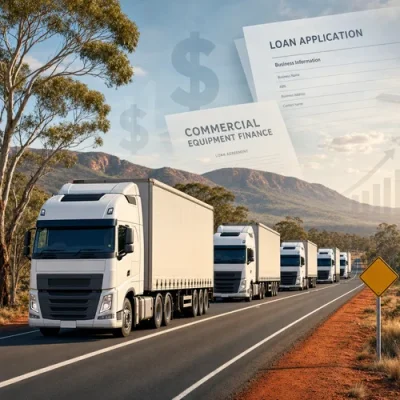
Expanding your truck fleet is a critical step in driving business growth. For many small businesses, increasing the number of commercial vehicles means accessing new markets, delivering goods more efficiently, and ultimately, boosting profitability. In the competitive Australian market, staying ahead requires not just maintaining but expanding your transport capabilities.
However, deciding to expand your fleet comes with its set of challenges. Australian truck buyers often face hurdles such as the availability of funds, the complexity of loan structures, and the pressure of managing additional financial commitments. Understanding these challenges is crucial for making informed decisions that will benefit your business in the long run.
This is where the right financing options come into play. Various financing solutions, particularly those offering terms without stringent credit checks, can provide a lifeline to businesses looking to grow. Leveraging these options can make fleet expansion attainable, even for businesses with minimal credit history, allowing for flexibility and opening doors to new opportunities.
Understanding Truck Financing Options
When it comes to expanding your truck fleet in Australia, understanding the range of financing options available is key. Truck loans are designed to provide businesses with the capital needed to purchase commercial vehicles without having to pay the full price up front. These loans can be a game-changer for small businesses looking to grow without stretching their finances too thin.
A popular option for many is the traditional truck loan, which involves borrowing a specific amount of money to purchase a truck and repaying it over time with interest. For businesses that may not have a strong credit history, no-credit-check loans can provide an alternative. These loans focus instead on the asset's value and provide funding without the rigorous credit checks usually associated with standard loans.
Securing a truck loan can offer several advantages for small businesses. Firstly, it allows for better cash flow management, as you can spread the cost of the vehicle across regular payments rather than depleting business reserves. Additionally, owning your trucks rather than leasing them means building an asset over time, which can strengthen your business's financial position. By choosing the right loan, businesses can unlock growth opportunities and improve overall operational efficiency.
Benefits of Expanding Your Truck Fleet
Expanding your truck fleet can be a transformational move for your business, particularly in the logistics and transportation sector. A larger fleet allows for better logistics management, as more vehicles can mean more routes covered, faster delivery times, and a greater ability to meet customer demand. This added capacity can lead to improved operational efficiency, as you can reduce wait times and optimize delivery schedules.
With an expanded fleet, your business has the potential to tap into new revenue streams and business opportunities. More vehicles can enable you to serve larger contracts or take on additional clients. This increase in capability can lead directly to higher profitability, as you can bid for and manage bigger jobs that were previously out of reach due to limited transportation resources.
Consider the success story of an Australian small business that doubled its fleet size. This expansion not only boosted their delivery capacity but also allowed them to enter new geographic markets. By strategically expanding their fleet, they secured a lucrative contract with a national retailer, demonstrating how fleet growth can directly contribute to business success and positioning in the industry.
Step-by-Step Guide to Securing Truck Financing
Preparing Your Application
Securing a truck loan begins with a thorough preparation of your application. A well-prepared application can significantly increase your chances of approval and ensure you get the best possible terms for your needs. Start by drafting a comprehensive business plan that details how the truck will be used to generate revenue and support business growth.
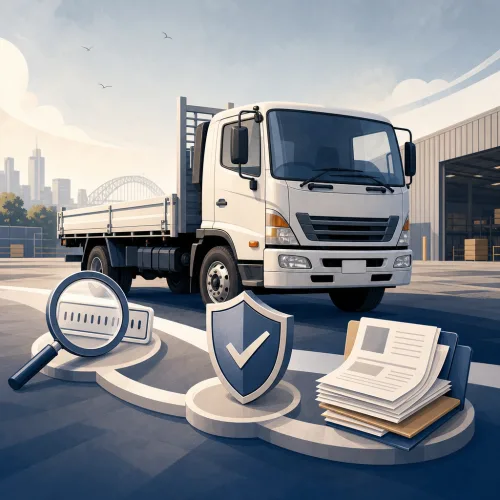
The next step involves gathering all necessary financial documents. These typically include recent tax returns, financial statements, bank account details, and proof of income. This documentation provides lenders with a clear picture of your business's financial health, demonstrating your capability to repay the loan.
Finding the Right Lender
With your documentation in place, it's time to shop around for the right lender. Different lenders offer varying loan products, interest rates, and terms. It's essential to compare these offers to find the one that aligns with your business goals and financial situation. Consider using an online comparison tool to ease this process and access a wider range of providers.
Choosing the Right Financing Option
Finally, choose a financing option that fits your specific needs. If maintaining cash flow is your priority, a loan with smaller regular payments might be suitable. For those looking to own their truck outright, consider a hire purchase agreement or a secured loan with a shorter term. Each option has its pros and cons, so weigh them carefully before making a decision.
What to Consider Before Expanding
Before taking the plunge to expand your truck fleet, it's vital to evaluate the current market demand and economic climate. The transportation industry can be volatile, so staying informed about regional and national trends will help you make decisions based on realistic expectations. Assess whether your target markets are growing or changing, and how your expanded fleet will meet this demand.
A solid business plan is your blueprint for successful expansion. This should outline your growth objectives, the expected return on investment, and detailed financial projections. A well-crafted plan not only guides your business strategy but also helps secure financing by showing lenders your foresight and preparedness.
However, with expansion comes increased risk. Potential risks such as fluctuating fuel prices, maintenance costs, and market competition need to be considered. Mitigating these risks involves strategic planning, such as diversifying your business offerings, implementing robust fleet management systems, and investing in fuel-efficient vehicles. By anticipating challenges, you pave the way for a smoother expansion process and safeguard your investment.
Tips for First-Time Commercial Vehicle Buyers
Evaluating New vs Used Trucks
When purchasing your first commercial vehicle, one of your initial decisions is whether to buy new or used. New trucks generally come with the latest technology and features, offering better fuel efficiency and lower maintenance costs due to warranties. However, they also come with higher price tags, which may impact your budget and financing needs.
On the other hand, used trucks can be more affordable upfront, allowing you to invest in additional vehicles sooner. The trade-off is the potential for higher maintenance costs and the lack of modern features seen in new models. By weighing the pros and cons of each option, you can decide which best suits your business needs and expansion strategy.
Considering Maintenance and Insurance Costs
Beyond the purchase price, consider ongoing costs such as maintenance and insurance. Regular maintenance is crucial to keep your vehicles in optimal condition and avoid costly breakdowns. Obtain quotes from mechanics and consider setting aside a maintenance budget.
Insurance is another significant consideration. Premiums can vary widely based on the truck's make, model, and age. Shop around for insurance quotes and ensure you select coverage that adequately protects your assets and aligns with your budget.
Using Online Tools and Resources for Decision-Making
The digital age offers numerous tools to aid your truck buying process. Online resources can provide valuable insights into vehicle specifications, dealer reviews, and comparative analyses. Utilize comparison websites to evaluate financing options, interest rates, and loan terms.
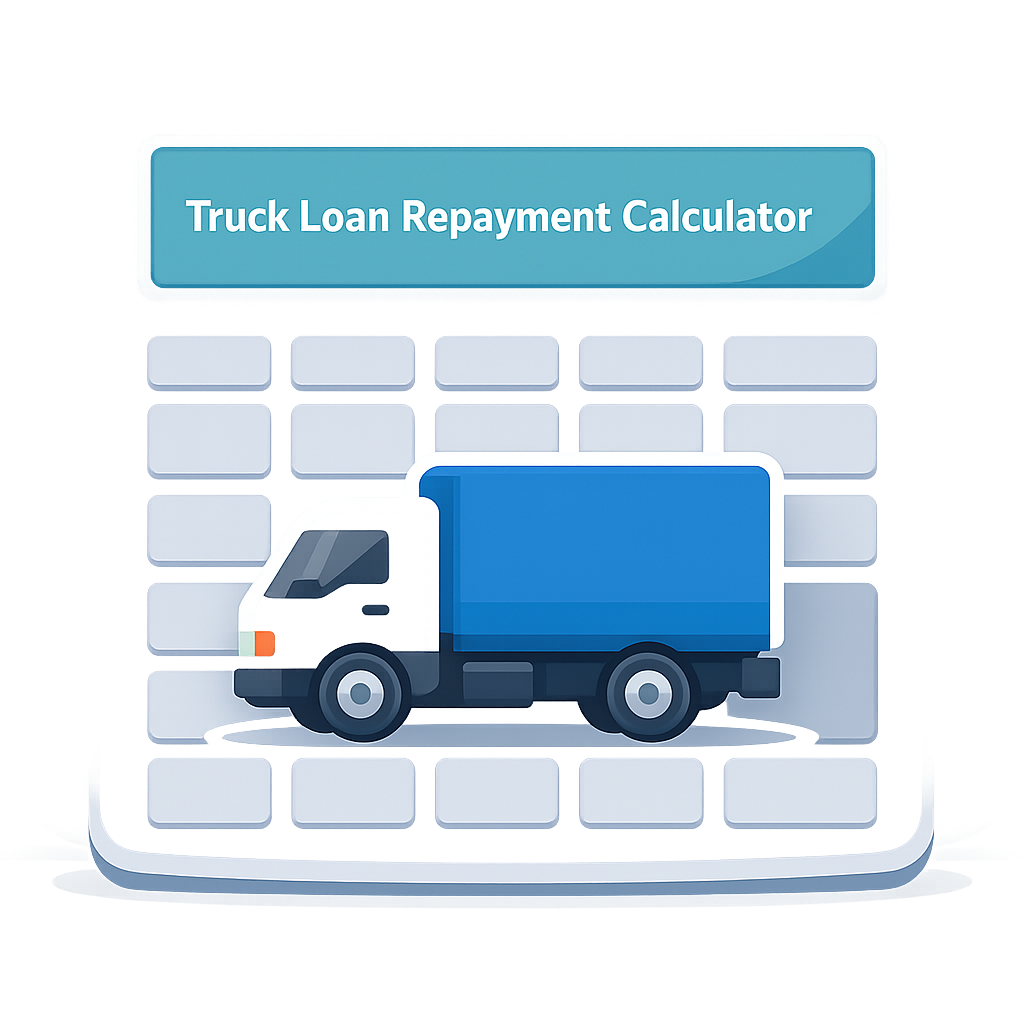
Additionally, various online calculators assist in assessing total ownership costs, factoring in purchase price, insurance, and maintenance. Leverage these tools to make informed decisions, ensuring your investment aligns with your business objectives.
Conclusion: Driving Your Business Forward
Expanding your truck fleet can be a pivotal step in driving your business towards greater success. We've explored how understanding and utilizing the right financing options, such as secured loans, hire purchase agreements, and leasing, can facilitate this growth. Each option offers unique benefits and considerations, making it essential to choose one that aligns with your business's financial health and expansion goals.
Our guide has covered various aspects of truck financing, from preparing a comprehensive application to selecting the right lender. We've also discussed practical tips for first-time buyers, like evaluating new versus used trucks and understanding maintenance and insurance costs. These insights aim to provide a solid foundation for those looking to enhance their business operations through vehicle expansion.
Truck loans represent a viable, strategic option for businesses seeking to expand without overstretching their current resources. By effectively managing your cash flow and focusing on solutions tailored to your specific needs, you can unlock new opportunities and drive your business forward.
Published: Wednesday, 4th Jun 2025
Author: Paige Estritori




No comments yet. Be the first to share your thoughts.