




The Top Mistakes to Avoid When Applying for a Truck Loan in Australia
Commercial vehicle loans in Australia are a vital component in the Continuum of the transportation and logistics industry. They provide businesses and individuals with the necessary funds to acquire trucks and other heavy vehicles critical for their operations. Understanding the nuances of these loans is imperative for anyone in the market for a commercial vehicle. - read more

5 Tips on Securing Low-Interest Rates for Your Vehicle Purchase
Embarking on the journey of acquiring a commercial vehicle is a significant decision for any business. Securing a loan with a low-interest rate is not just a matter of luck; it involves meticulous planning and a thorough understanding of the lending landscape. This opening section sets the scene for our deep dive into navigating the commercial vehicle loan process with an eye toward minimizing costs and maximizing value. - read more

How to Get a Truck Loan with Less-Than-Perfect Credit
Securing finance for any significant purchase can be a challenge, especially when it comes to acquiring a truck for business purposes. Coupled with a less-than-perfect credit score, this task can seem daunting for many Australians. The ripple effects of financial constraints can impede business operations, affecting the lifeline of commercial ventures that rely on transportation. - read more

Maximizing Your Investment: Strategies for Enhancing Truck Resale Value in Australia
The commercial vehicle market in Australia is a cornerstone of the transportation and logistics industries, with trucks playing an indispensable role. Whether for long-haul deliveries across the vast distances of the continent or for urban distribution, trucks are critical assets for businesses and entrepreneurs alike. This significance makes it essential for commercial vehicle buyers to understand the dynamics of truck resale values in Australia. - read more
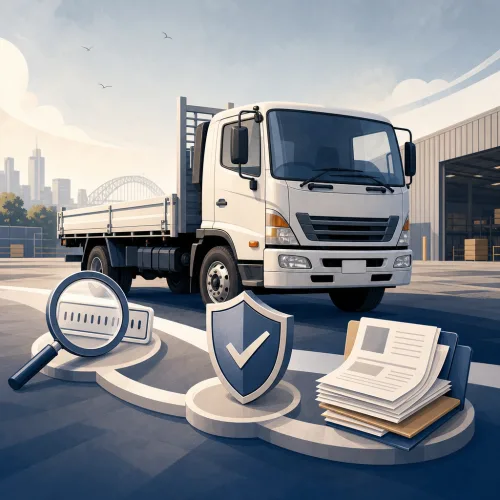
Finance checks before buying a used truck in Australia
Buying a used truck can be a practical way to expand or start a transport operation, but finance-related checks are essential before you commit. This guide explains PPSR searches, outstanding finance, private sale documents, lender valuation requirements, insurance and settlement steps for Australian buyers. - read more

No comments yet. Be the first to share your thoughts.