

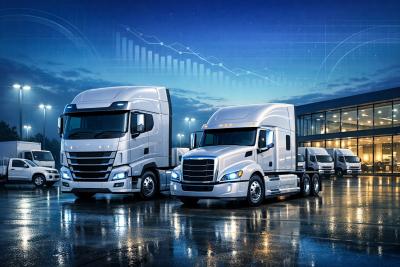


Essential Checklist for Commercial Vehicle Loan Approval
In the journey to secure a commercial vehicle loan, preparation is key. Just as a vehicle needs to be in perfect condition to hit the road, your loan application requires meticulous attention to detail to ensure a green light from lenders. This article embarks on the essential journey of understanding the critical checkpoints before applying for a commercial vehicle loan. We navigate through the path of prerequisites that pave the way for a seamless approval process. - read more

The Most Important Factors to Consider When Buying a Truck
Buying a truck is a major investment, whether it's for personal use or business purposes. With the plethora of options available in the Australian market, it's important to consider various factors before making a purchase. Your specific needs, budget, lifestyle, and work requirements should be taken into account before making a decision to ensure the truck you buy fits your needs. - read more

Understanding Your Options: A Guide to Commercial Vehicle Loans in Australia
If you're running a business in Australia, choosing the right commercial vehicle loan can be pivotal to your success. Whether you're a small business owner needing a delivery van or a large company expanding your fleet, understanding your financing options is crucial. - read more

Maximizing Your Fleet Potential: How Truck Financing Shapes Success
Trucks play a pivotal role in the Australian logistics and transport industry, serving as the lifeblood that keeps commerce flowing. The dependable rumble of engines crisscrossing the nation's highways is more than just a symbol of industry; it's a critical component of productivity and economic stability. Without these workhorses facilitating the timely movement of goods, the Australian market would face significant challenges meeting the demands of both businesses and consumers alike. - read more

How to Get a Truck Loan with Less-Than-Perfect Credit
Securing finance for any significant purchase can be a challenge, especially when it comes to acquiring a truck for business purposes. Coupled with a less-than-perfect credit score, this task can seem daunting for many Australians. The ripple effects of financial constraints can impede business operations, affecting the lifeline of commercial ventures that rely on transportation. - read more

No comments yet. Be the first to share your thoughts.